The Bond Bullies Are Back: Why Rising Rates Just Shook the Market
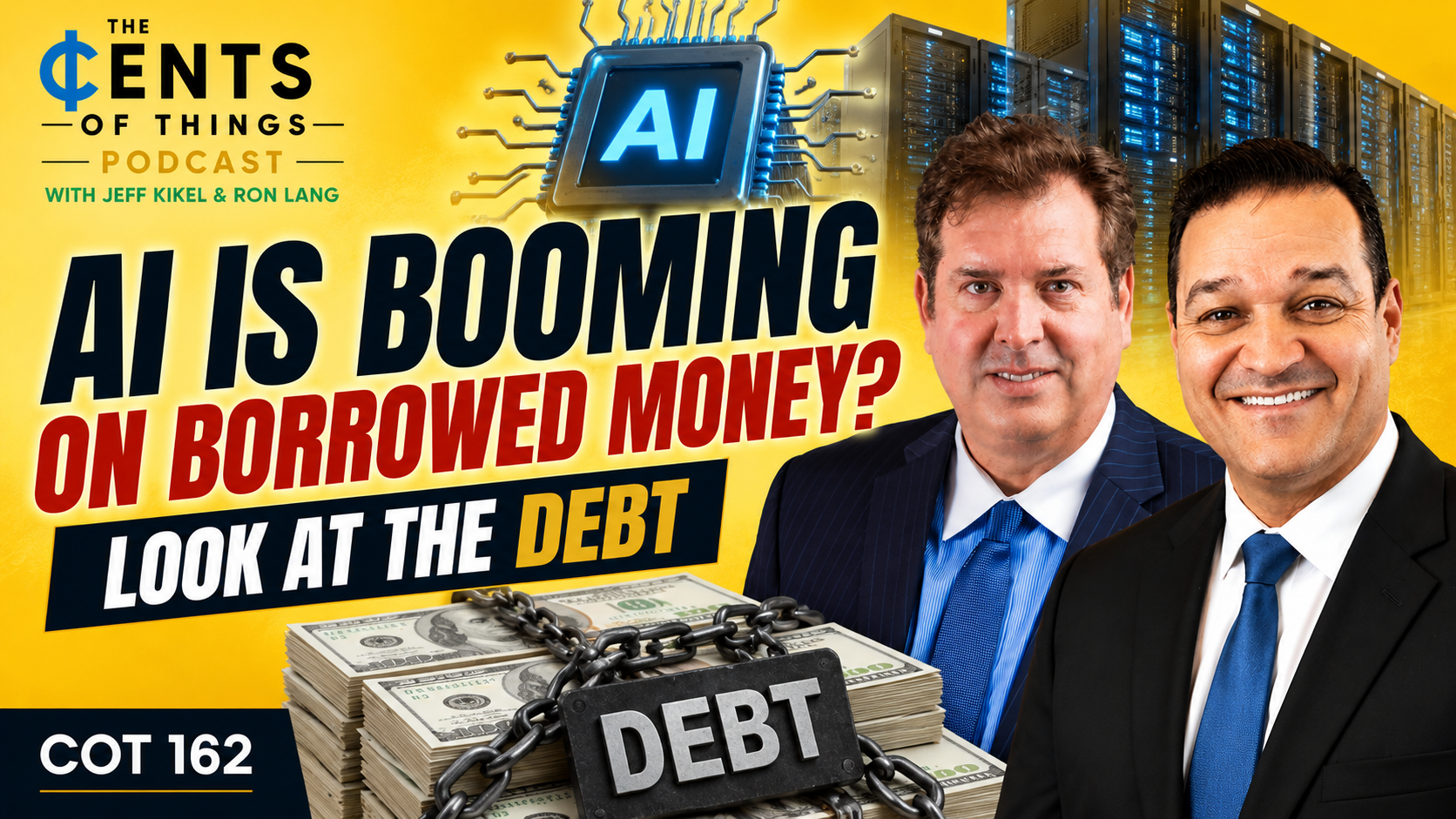
The US national debt just crossed $40 trillion, and the interest bill to service it is now running close to a trillion dollars a year. That borrowing is helping push bond yields to levels we have not seen since 2007, and for the first time in a long while, safe bonds are genuinely competing with stocks for your money. Here is what that means for your portfolio.
It was a wild week in the markets, and Ron and I split it down the middle. I took the market side, he took the consumer side. The thread that tied it all together was interest rates, because a number most people scroll right past just crossed a line that actually matters for your money. Let me walk you through it.
What $40 trillion in debt really means
The headline is that the national debt just passed $40 trillion. The number that should actually get your attention, though, is not the debt itself. It is the interest. We are now paying close to a trillion dollars a year just to service that debt, and that bill climbs every time the government has to roll over its borrowing at today's higher rates. Here is why that lands on you: when a borrower that size has to keep refinancing at higher rates, it puts upward pressure on interest rates across the board. That pressure ripples straight into your mortgage, your savings account, and your investments. So a headline that feels abstract is really about the rate on your next loan and the yield on your next bond.
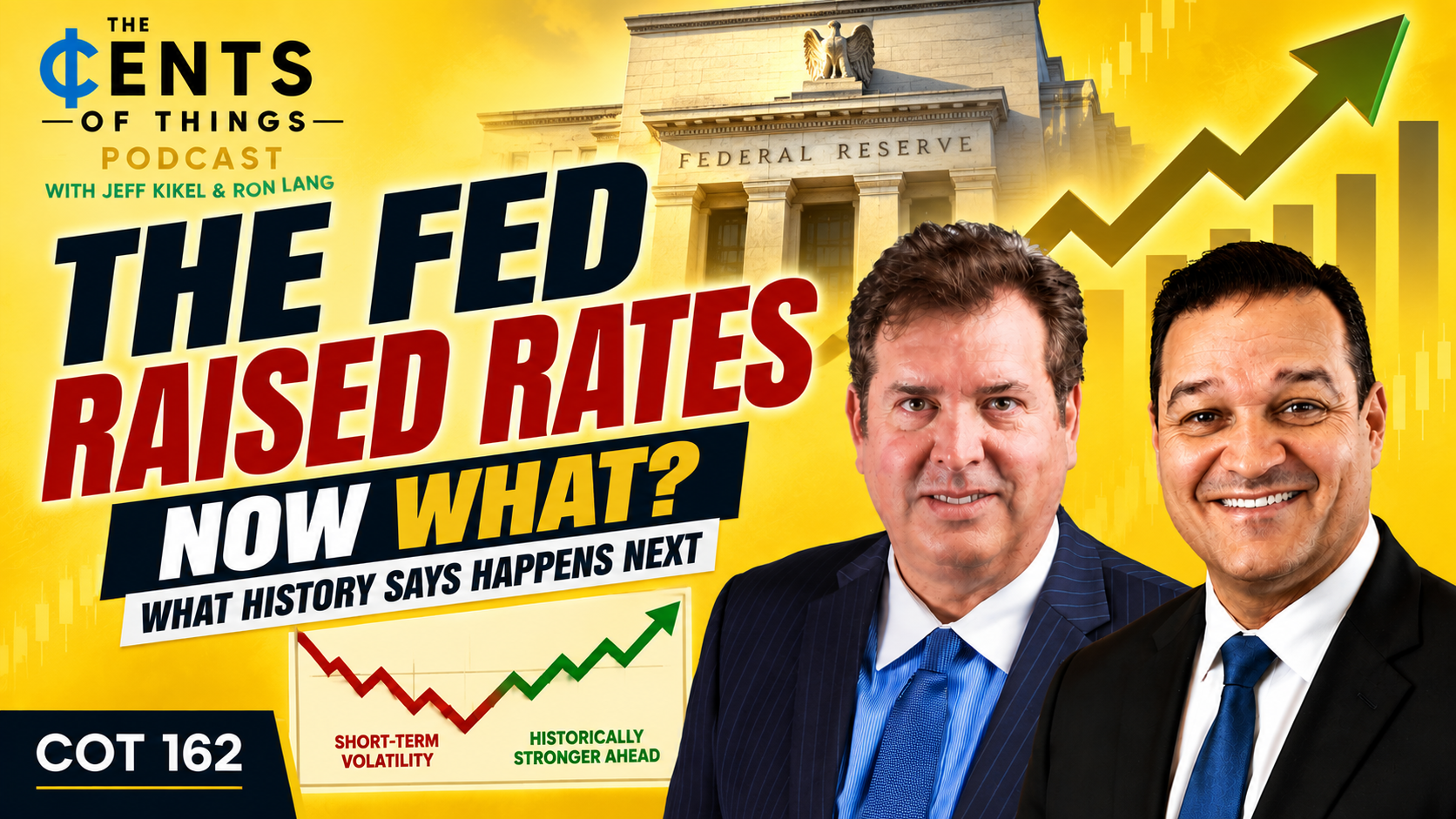
You could feel that pressure in the bond market this week. The yield on the 30-year Treasury surged to 5.33 percent, the highest level since 2007, back before the financial crisis. The 10-year sat around 4.77 percent. When long-term yields climb like that, the bond market is telling you something. It expects more inflation, and it wants to be paid for the risk of lending money out for thirty years. And rising yields are not just a bond story. They are a direct competitor to your stocks.
Why safe bonds are suddenly competing with your stocks
Think about the math for a second. If I can earn about 5.3 percent on a relatively safe government bond, versus a dividend yield of roughly 2.7 percent on stocks, the lower-risk option suddenly looks a lot more attractive. For years there was no real alternative to stocks, because bonds paid almost nothing, so money had nowhere else to go. That has changed. When safe money pays close to double the dividend, some investors will rotate out of stocks and into bonds, and that pull is part of why the market has felt so choppy lately.
You could see money looking for value underneath the surface, too. There was a genuine bright spot this week: Moderna and Merck reported a cancer vaccine breakthrough, and Moderna jumped about 90 percent in a single day, with biotech names from mega-cap to small-cap up 6 percent or more on the news. Even in a nervous market, real innovation still moves money, and we saw investors rotating toward healthcare and energy as they hunted for value outside the crowded AI trade.
The disconnect nobody can fully explain
On Ron's side of the show, the picture got stranger. Consumer sentiment is sitting near one of the lowest readings on record. Read that again. The stock market is near all-time highs, and yet households feel about as bad as they have in decades. Credit card delinquencies are climbing to multi-year highs, and student loan delinquencies spiked after the government took the program back over. There is a real gap between how the market looks and how the average family actually feels, and that gap is worth respecting rather than dismissing.
And yet, one small human data point cut the other way, and it stuck with me. I did a Costco run last week braced for a 300 dollar bill, the kind I have gotten used to over the last few years, and I checked out at 175. One receipt is not an economic report, I know that. But it lines up with a broader sense that some prices may finally be easing. After years of sticker shock, even an early sign of relief is a welcome change.
So what does this mean for a long-term investor?
None of this is a reason to overhaul your portfolio, but it is a reason to pay attention. A few plain thoughts. Bonds are worth a fresh look, because for the first time in a long while they are a real option for part of a portfolio rather than an afterthought. Be careful about chasing the crowded trade just because it has worked, since that is usually right when the rotation starts.
Notice where value has been quietly showing up, like healthcare and energy, without treating any one sector as a sure thing. And keep some flexibility, because with yields this high and sentiment this low, more volatility is likely. As I tell my clients, the goal here is not to predict the next move. It is to make sure you are getting paid fairly for the risk you are taking, and to stay diversified while you do it. None of the above is a recommendation for your particular situation; it is simply how I am reading the week.
Frequently asked questions
How much is the US national debt now?
It just crossed $40 trillion, with interest to service it running close to a trillion dollars a year.
Why are bond yields rising?
Heavy government borrowing and rising inflation expectations are pushing long-term yields up. The 30-year Treasury reached 5.33 percent, its highest since 2007.
Are bonds a better bet than stocks right now?
It depends entirely on your own situation, but for the first time in years the math is at least competitive. A safe bond near 5.3 percent versus a roughly 2.7 percent stock dividend is a real choice rather than a foregone conclusion.
Why is consumer sentiment so low if the market is high?
It is an unusual disconnect. Rising credit and student loan delinquencies, plus years of high prices, have left households feeling squeezed even as the market climbs.
What was the Moderna news?
Moderna and Merck reported a cancer vaccine breakthrough, which sent Moderna up about 90 percent in a day and lifted biotech broadly.
The Bottom Line
A 40 trillion dollar debt and a nearly trillion-dollar annual interest bill are not abstract numbers. They are helping push yields to their highest levels since 2007, and that changes the math for everyone. Safe bonds are competing with stocks again, the consumer is nervous even with the market high, and value is quietly rotating into places like healthcare. You do not need to overhaul everything. You need to make sure you are being paid fairly for your risk and staying diversified. If you want this kind of plain-English read every week, subscribe to The Cents of Things.
Jeff Kikel is a 30-year financial professional and the founder of Freedom Day Wealth Management, a fee-based wealth and retirement planning firm, and Profit Pilot Tax and Financial Services, a tax strategy and business-exit practice. He helps business owners and high earners build wealth, exit their businesses well, and retire on their own terms. Want help applying any of this to your own plan? Reach Jeff through Freedom Day Wealth Management at www.FreedomDayWealth.com or Profit Pilot at www.ProfitPilotTax.com.
This is for education only and is not investment, tax, or legal advice.
Source: per The Cents of Things market review recorded in August 2026, the 30-year US Treasury yield reached 5.33 percent, its highest level since 2007, as the national debt crossed 40 trillion dollars.