



From The Blog

There is no magic retirement number. Here is a practical framework for finding yours, with withdrawal rates, Social Security, taxes, and equity compensation.

For the first time in a long while, you can park money in a US Treasury and earn more than 5 percent with almost no risk. That changes the math for anyone near or in retirement, and it opens up some genuinely useful, tax-smart ways to generate income. It also comes with a catch most people forget: rising rates can still chip away at the value of a bond you have to sell early. Here is how I would think about it. Ron and I taped this one at the end of the third quarter, with the Fed teed up for another rate hike and clients asking the same question all week: what do I do with my safe money now? So we spent the show on what's quietly reshaping a lot of retirement plans, then stepped back to look at inflation, oil, and what is really happening at the grocery store. Let me walk you through it.

Bad market years early in retirement can do lasting damage, even with good average returns. Here is how sequence-of-returns risk works and how to plan around it.
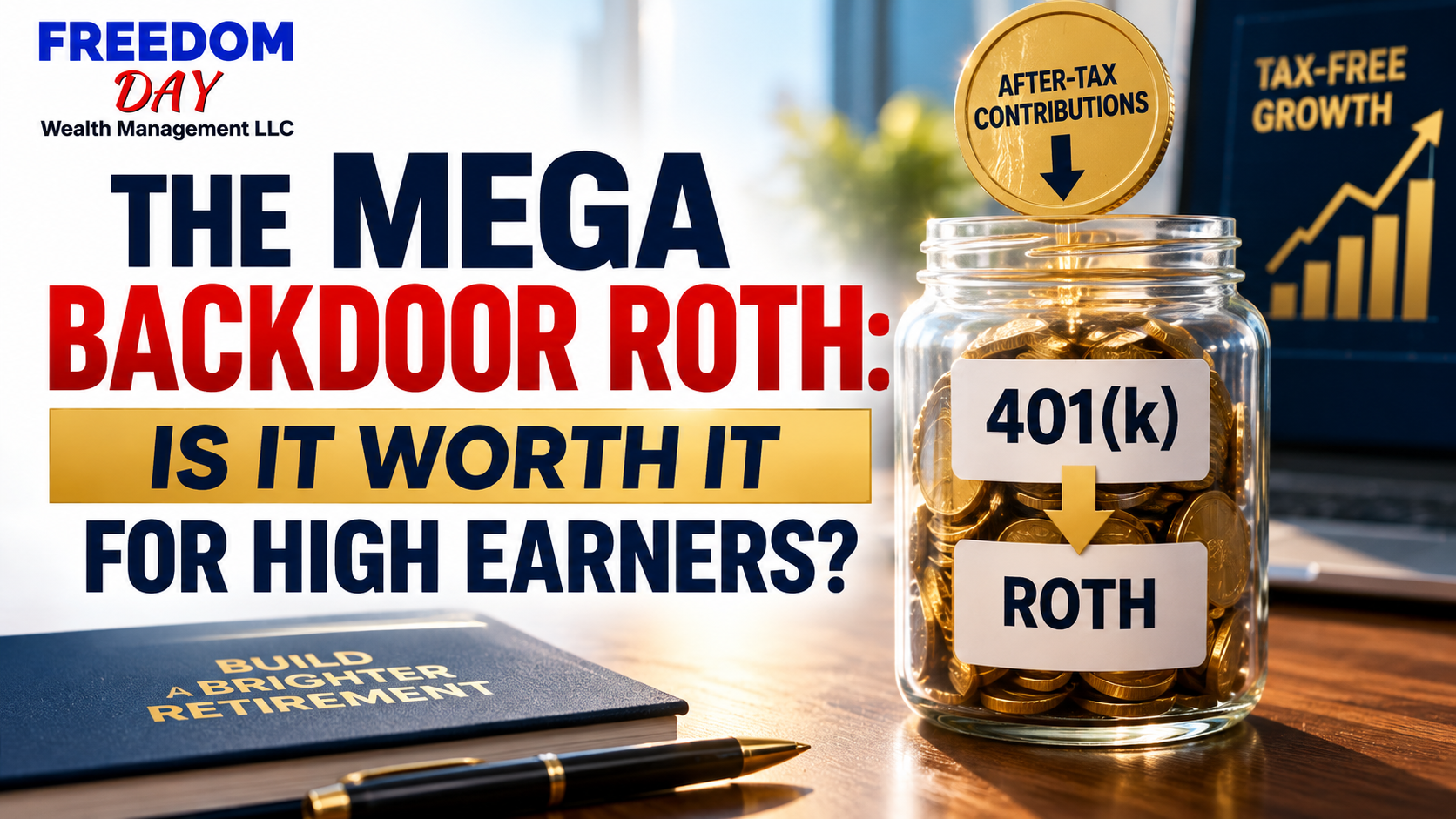
Your 401k may have more room than you think. In this article Jeff Kikel goes over the Mega-Backdoor Roth.
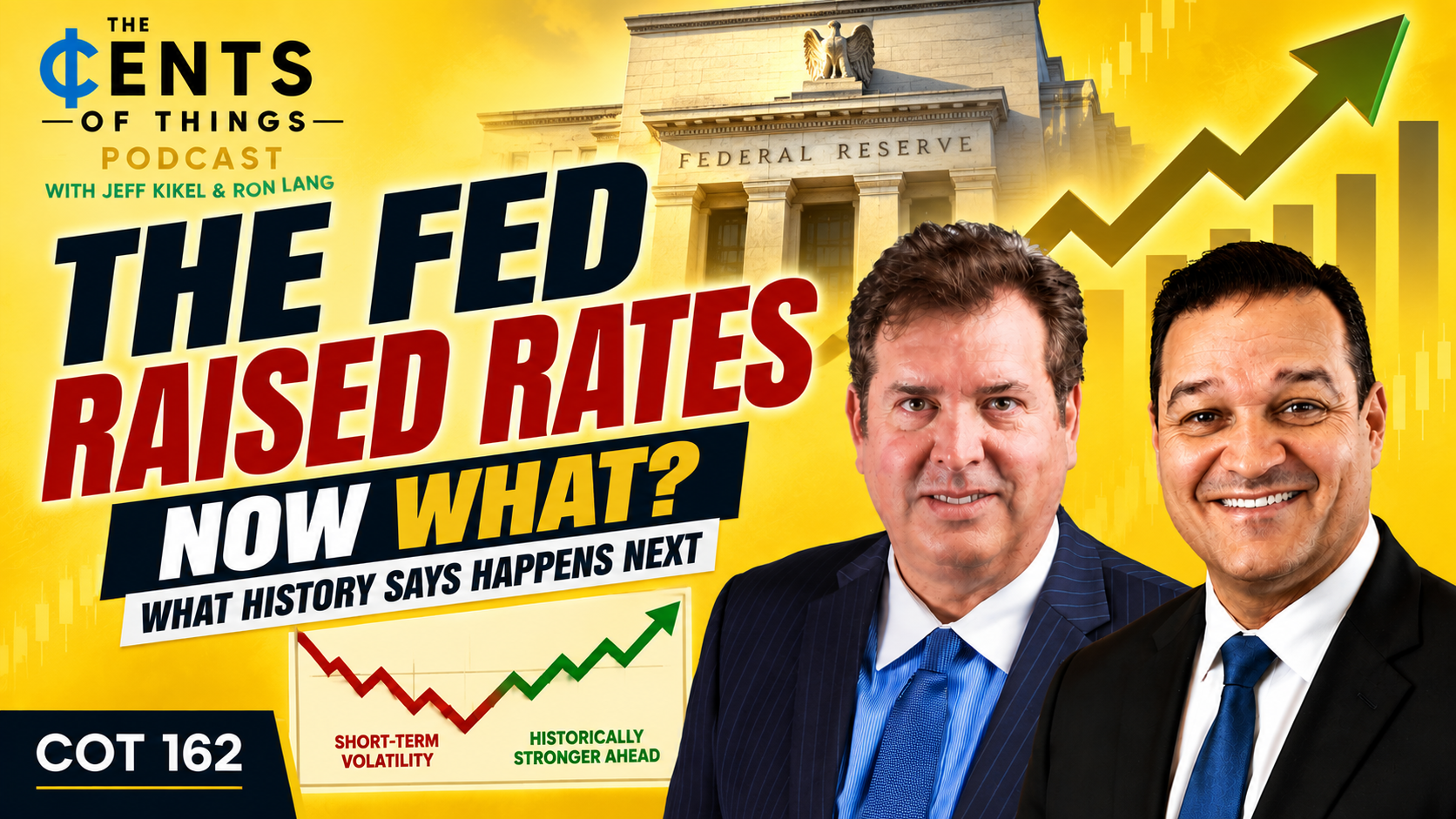
The Fed raised rates again. History says stocks usually dip about 4 percent then heal, energy and tech hold up best, and diesel, not the Fed, is driving inflation.

The market rises about seven of every ten years, but never in a straight line. How often stocks actually pull back, why Sept and Oct are shaky.
Our Team
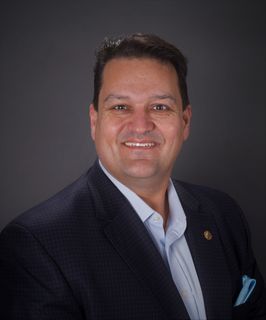
Jeff Kikel, ChFC, CRPC, ASBC
President

Crystal Kikel
Vice President Operations and Marketing

Monica Cabahug
Senior Executive Assistant